Surgical Procedures
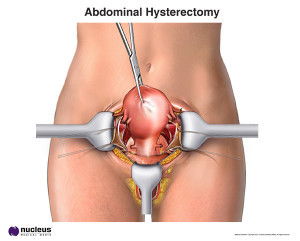
Laparotomy is a technique of surgery to access the abominal and pelvic cavities. It uses a traditional open incision to allow for access. This approach provides the best view and access BUT causes the most pain and scarring
Read More
Laser surgery is a tool to provide precise, minimal depth destruction of lesions in the genital area that warrant removal but avoids extensive dissection, pain and scarring.
Read More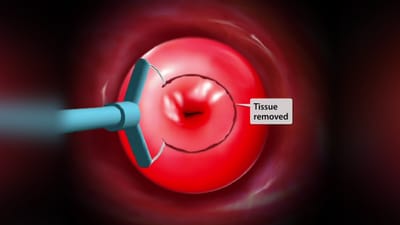
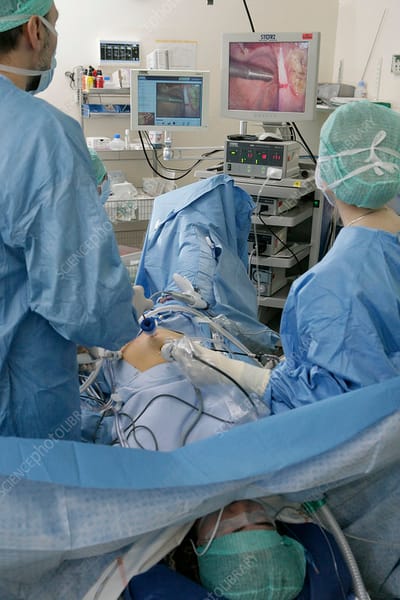
quick list with links to different surgeries listed under myomectomy
Read More
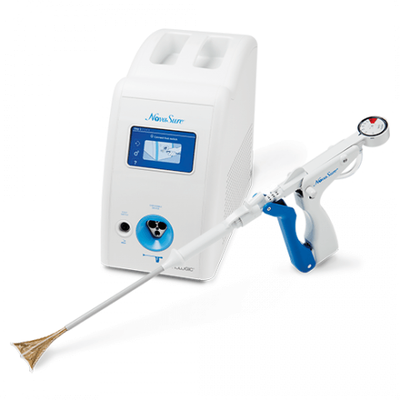
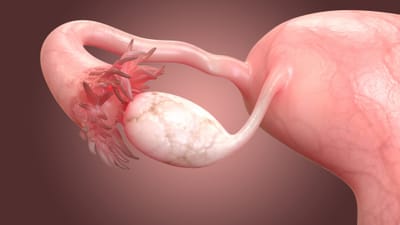
Removal of the one or both ovaries is called an Oophorectomy. It is a stand alone surgery and NOT part of a hysterectomy. Various serious pathology can occur to warrant their removal but also benign conditions like cysts DO NOT. If a woman is close to menopause, there is more emphasis to consider removing the ovaries. Regardless, there are some implications with hormonal production if this is chosen.
Read More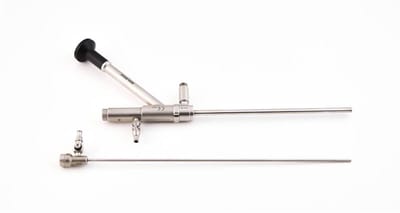
Operative Hysteroscopy is the essence of minimally invasive surgery. It uses an operative camera inserted into the uterine cavity to solve problems located in there without having to resort to a hysterectomy. Beside menstrual cramping pain, it is a quick recovery with NO incisions
Read More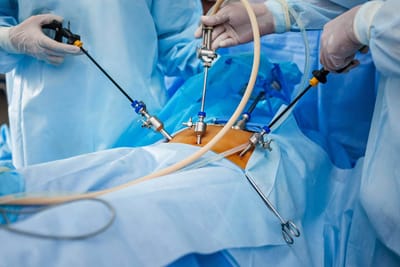
Ovarian cystectomy is a minimally invasive surgery (laparoscopic or robotic) to remove a symptomatic and/or large ovarian cyst but preserves the ovary.
Read More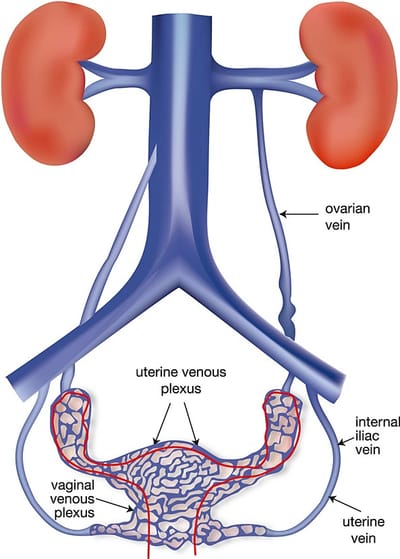
This unique procedure is provided by a specialist called an Interventional Radiologist to alleviate a unique form of pelvic pain.
Read More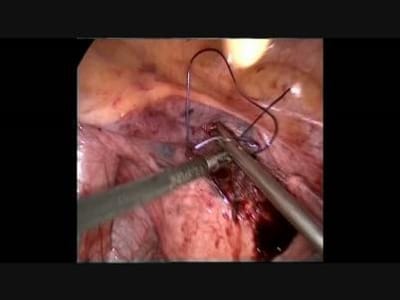
Pelvic Organ Prolapse surgery helps to correct anatomical defects or lack of support that can occur in women, especially older women. There are multiple therapies including pessary, pelvic floor therapy and specific surgeries.
Read More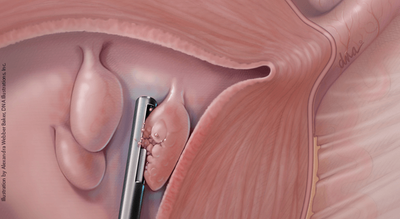
Polyps are a common cause for heavy menstrual bleeding, mid-cycle bleeding or bleeding shortly after intercourse. Removing these polyps using a hysteroscope can reduce these bleeding issues without compromising your uterus or fertility
Read More